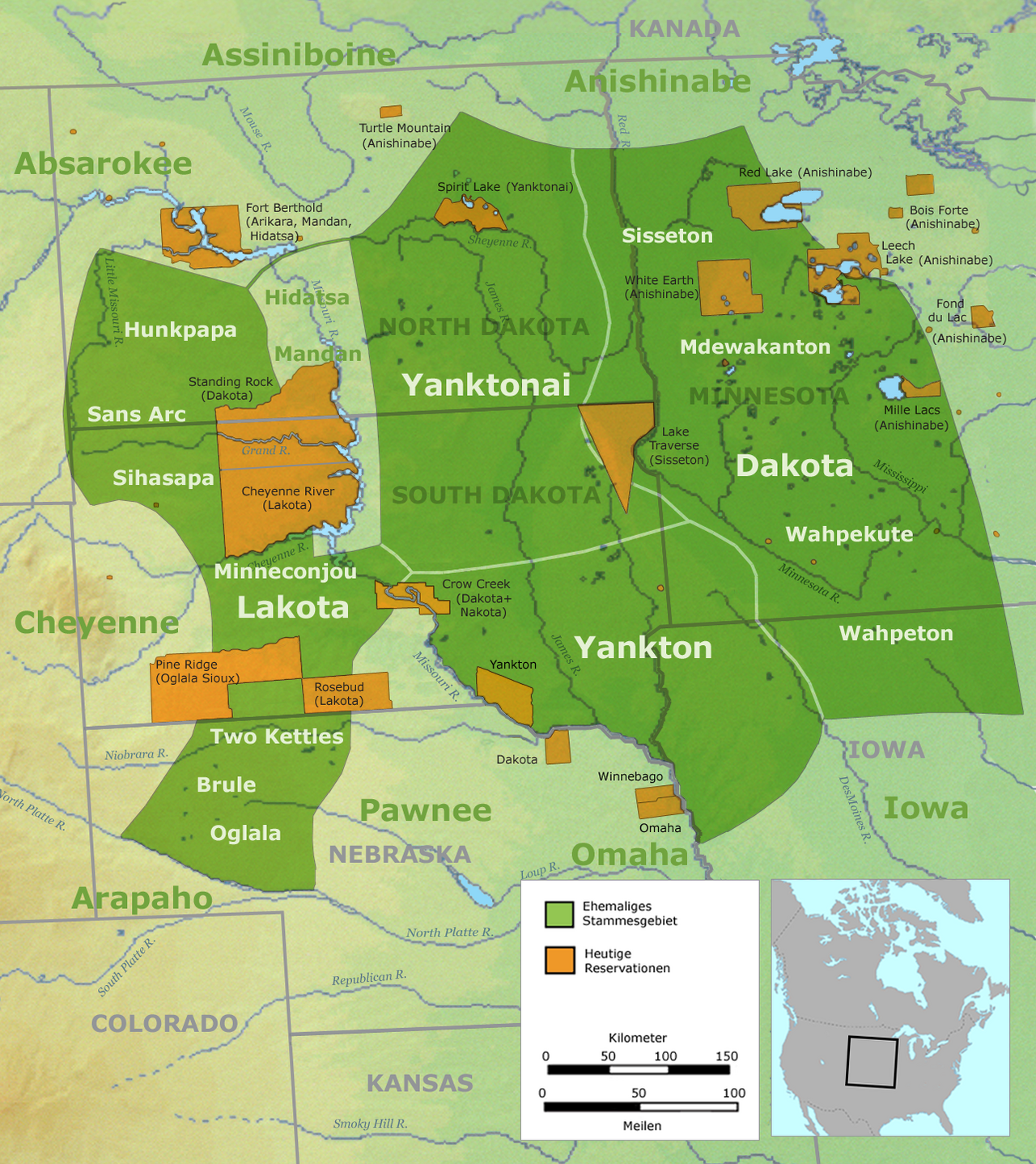
Whose Land Are We On?
The Pride Collective & Community Center is located on the occupied lands of the Bdewakantuwan (Mdewakanton), which includes the Očhéthi Šakówiŋ, Prairie Island Indian Community, Spirit Lake Tribe, and Alexis Nakota Sioux Nations.
Bdewakantuwan (Mdewakanton) - Shakopee Mdewakanton Sioux Community (SMSC)
The Shakopee Mdewakanton Sioux is a federally recognized sovereign Dakota tribal government located in Scott County, Minnesota. The SMSC is part of the Oceti Ṡakowiŋ, or the Seven Council Fires, which include the Dakota, Lakota, and Nakota people located throughout the Upper Midwest and Canada.
You can learn more about the Shakopee Mdewakaton Sioux here.
Mendota Mdewakanton Dakota Tribal Community
From the MMDTC website: “Our ancestors have lived in the lands around Mdote — the confluence of the Mississippi and Minnesota rivers — from time immemorial. Our connection to makhóčhe (the land) runs deep, woven through our traditions, our language, and our shared commitment to preserving our cultural identity.”
You can learn about the Mendota’s history here and learn and support their current projects and movements here.
Lower Sioux Indian Community
As stated on the LSIC website: “The Lower Sioux Indian Community is a federally-recognized Indian tribe located in south central Minnesota in Redwood County, approximately two miles south of Morton. The Community Center is located on the southern bluffs of the Minnesota River Valley.
Approximately 145 families live on 1,743 acres of tribal land. A total tribal population of 982 resides throughout a 10-mile service area and beyond.”
You can learn about the Lower Sioux’s history here and learn about and support their current projects such as the Hemp Program and Housing Project, Lower Sioux Recreation Center, and Family Services.
Tinta Wita (Prairie Island) Indian Community
Per the Prairie Island Indian Community’s website: “The Prairie Island Indian Community is a federally recognized Indian tribe. The Tribe received recognition following the formal adoption of its Constitution and By-Laws on June 20, 1936, under the Indian Reorganization Act.
The Tribe’s reservation was created in the late 1880s, when the U.S. Secretary of the Interior purchased and placed into federal trust approximately 120 acres of land for the landless Bdewakantunwan families residing in Minnesota.”
You can learn more about the Prairie Island Indian Community’s history and present day standing here. You can learn and support their projects such as the Edwin Buck Jr. Memorial Buffalo Project, Food Sovereignty, and Land Stewardship.
From the website: "The Alexis People, traditionally known as the “Isgabi”, possess a profound cultural and spiritual connection to their land and environment. For countless generations, their ancestors journeyed through the northwestern corridor into the mountains, following seasonal routes to replenish their medicines, food, and supplies. This deep-rooted connection is intricately woven into their spiritual practices and way of life.
For generations, the Isgabi have lived in harmony with the land and the lake, relying on fur-bearing animals for their sustenance. With the near extinction of the buffalo, the moose has become central to their traditional ceremonies and daily life.
Every part of the moose is utilized—providing food, tools, clothing, and shelter—demonstrating their profound respect for the animal and their spiritual reverence for the environment. Their way of life embodies a spiritual symbiosis with the land, honouring their ancestors and sustaining their cultural heritage through each season.”
Indigenous Association
From the IA’s website: “Indigenous Association is a Native led, community rooted organization based in Fargo Moorhead, dedicated to uplifting Indigenous people through cultural celebration, education, and leadership development. We believe in the strength of multigenerational learning and the power of community driven solutions. Whether through cultural revitalization, youth programs, elder support, or partnerships across the region, we work to ensure Indigenous voices, traditions, and futures thrive in ways that reflect our values and priorities.”
Click here to learn more about the Indigenous Association and their programs you can support. You can receive updates mainly through Facebook.
Spirit Lake Tribe
From the website: “The Spirit Lake Tribe reservation was established by Treaty between the United States Government and the Sisseton Wahpeton Sioux Bands in 1867. The Reservation is located in East Central North Dakota. The Reservation is comprised of Sisseton, Wahpeton and the Cut-Head bands of Yanktonais, who had already been placed on the Reservation. According to the Treaty of 1867 the boundaries of the Spirit Lake reservation are:
"Beginning at the most easterly point of Devil's Lake; thence along the waters of said lake to the most westerly point of the same; thence on a direct line to the nearest point on the Cheyenne River; thence down said river to a point opposite the lower end of Aspen Island, and thence on a direct line to the place of beginning."
In 2014 total enrollment of the Spirit Lake Tribe members is 7,256.”
Click here to learn more about the Spirit Lake Nation and here for their projects you can support.
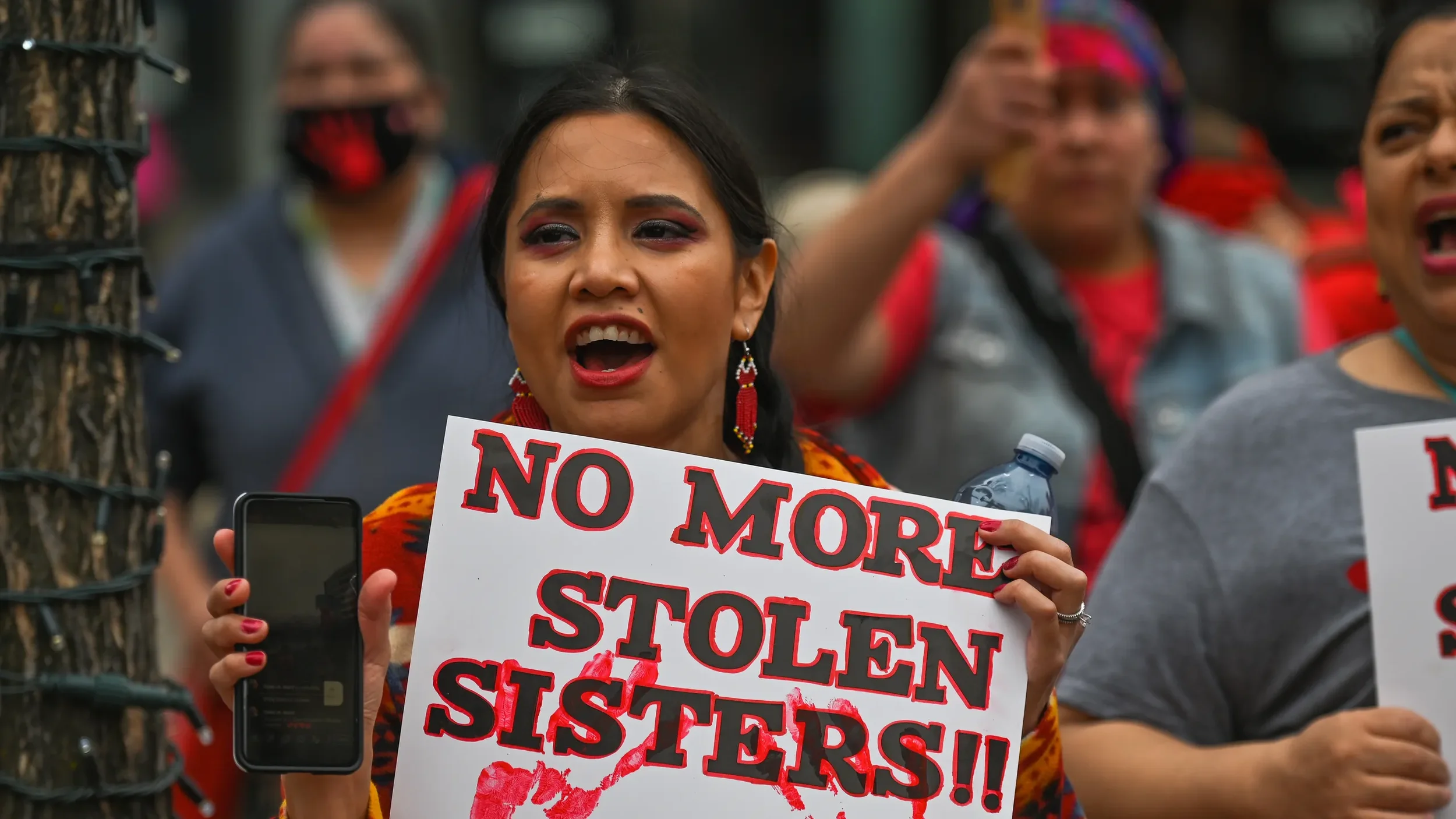
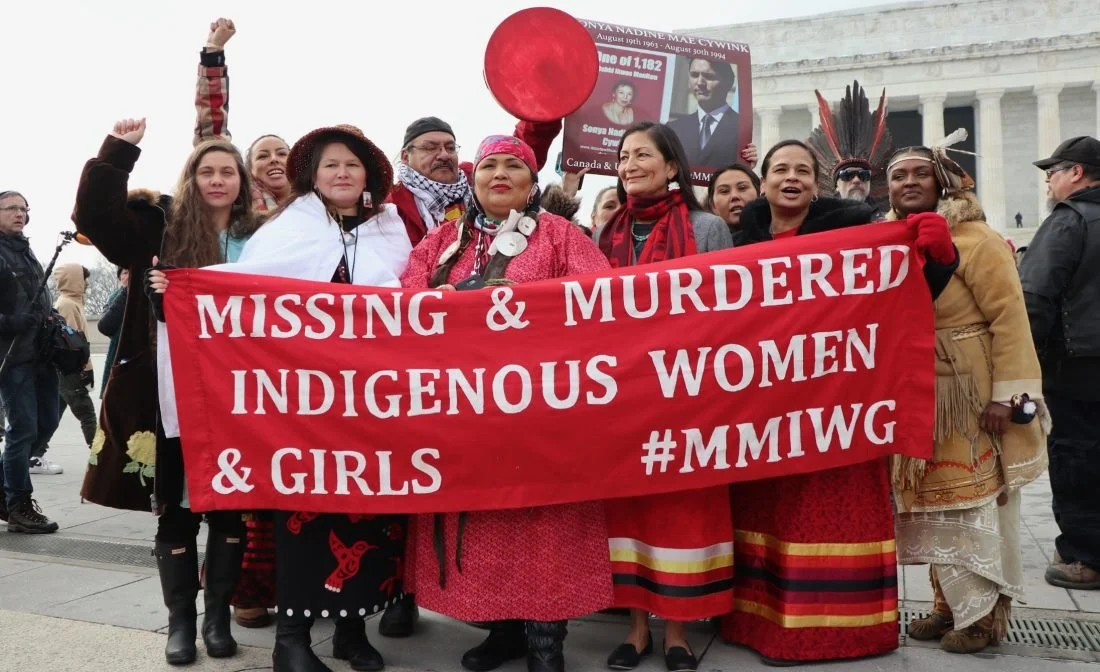
MISSING & MURDERED INDIGENOUS WOMEN & GIRLS/TWO-SPIRIT/RELATIVES
When European settlers disrupted Indigenous sovereignty via land dispossesion, genocide, and Indian Boarding Schools, they imposed European patriarchal norms onto Indigenous Nations, many of whom had their unique models of gender and sexuality. Indigenous women/femmes and Two-Spirit people were sexualized, condemned, silenced, trafficked and disposed of. That sexual and colonial violence continues today.
From the Missing & Murdered Indigenous People website: “One of the most difficult and continual issues Indigenous People face is the extremely high rate of missing and murdered people. Indigenous People go missing at a rate 10 times the national average, with 2SLGBTQAI+ women and youth at the most risk. Beyond data, Indigenous people live with this reality in our hearts, minds, spirits and bodies.”
The National Criminal Justice Training Center reported the following: in 2022, 84.3% of the Indigenous girls & women have experienced violence, 55.5% have experienced intimate partner violence, 40% of sex trafficking victims are Indigenous, 56.1% of Indigenous women have experienced sexual violence, 48.8% of Indigenous women have been stalked, and that murder is the 3rd leading cause of death for Indigenous women, which is 10x higher than other races/ethnicities.
With state and federal agencies neglecting these cases, Indigenous communities have been the ones leading the charge in supporting families, collecting data, leading searches, and fighting for justice for their stolen relatives.
Please see the links below to learn more about this epidemic and how to support the Indigenous communities and organizations resisting the patriarchal colonial violence stealing Indigenous lives and tearing families apart.
Missing Murdered Indigenous People (MMIP) North Dakota Indian Affairs
Missing Indigenous Persons - North Dakota
Missing and Murdered Native Women and Girls Day National Statistics 2022