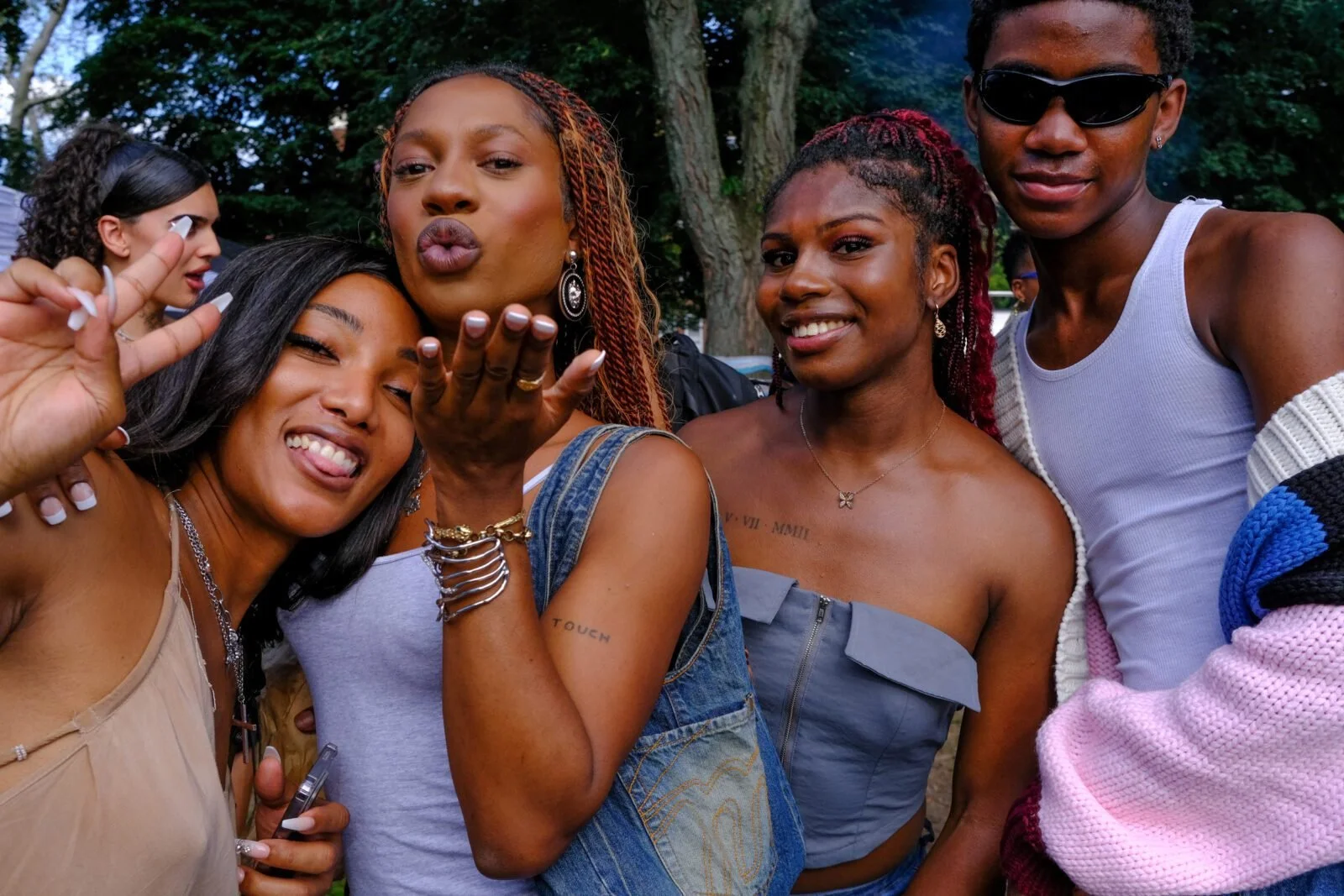
Black Queer Struggle & Liberation
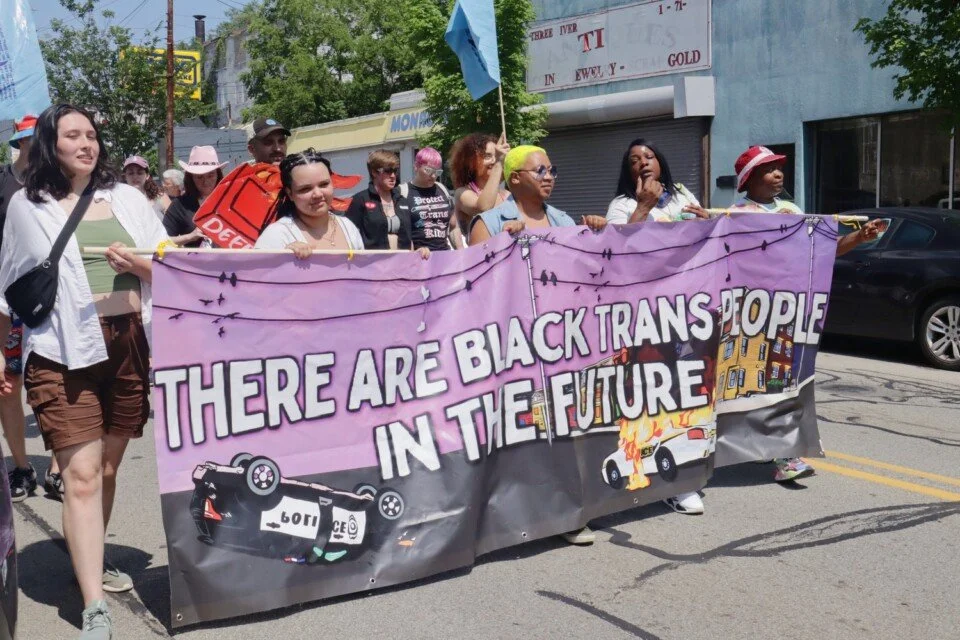
We at the PCCC believe that queer liberation cannot be achieved without Black liberation. Anti-Blackness is not just an “implicit bias” as some liberal misleaders like to claim but a European colonial ideology that works as the baseline for racial capitalism, imperialism, neocolonialism, patriarchal violence, and all other dominant systems.
Frances Thompson
✳︎
Xica Manicongo
✳︎
William Dorsey
✳︎
James Baldwin
✳︎
Audre Lorde
*
Frances Thompson ✳︎ Xica Manicongo ✳︎ William Dorsey ✳︎ James Baldwin ✳︎ Audre Lorde *

Frances Thompson( 1840 – 1876)
Frances Thompson was a formerly enslaved Black trans woman and anti-rape activist who was one of the five Black women to testify before Congress about the 1866 Memphis Massacre. Thompson and the other five women’s testimonies contributed to the 1871 Enforcement Act by proving how the racist and sexual violence afflicted on them violated the 14th and 15th Amendments which “guaranteed the rights of African Americans and highlighted the widespread violence and intimidation that sought to prevent African Americans from exercising their rights.”
Frances lived in Memphis while enslaved to a man named Robert Walker. Walker’s family recognized her gender identity, allowing Thompson to be clean shaven and wear feminine attire such as “ bright colored dresses.” She also used crutches for mobility due to cancer in her foot.
After most of the Walker family was killed in the Confederate Army, Thompson became a free woman at 26 and “rented an apartment on Gayoso Street, in a majority Black neighborhood known as "Hell’s Half Acre.” With help from her 16-year-old housemate, Lucy Smith, Thompson washed, sewed, and ironed clothes for wages.
Thompson was one of 5 Black women to testify about the 1866 Memphis Massacre and the first trans women to testify before Congress. Her testimony and advocacy for bodily autonomy led to civil rights legislation for newly emancipated Black Americans during Reconstruction, in addition to positive impacts for feminism and disability rights.
Popular
Clarence Henry Cobbs (February 29, 1908 – June 28, 1979
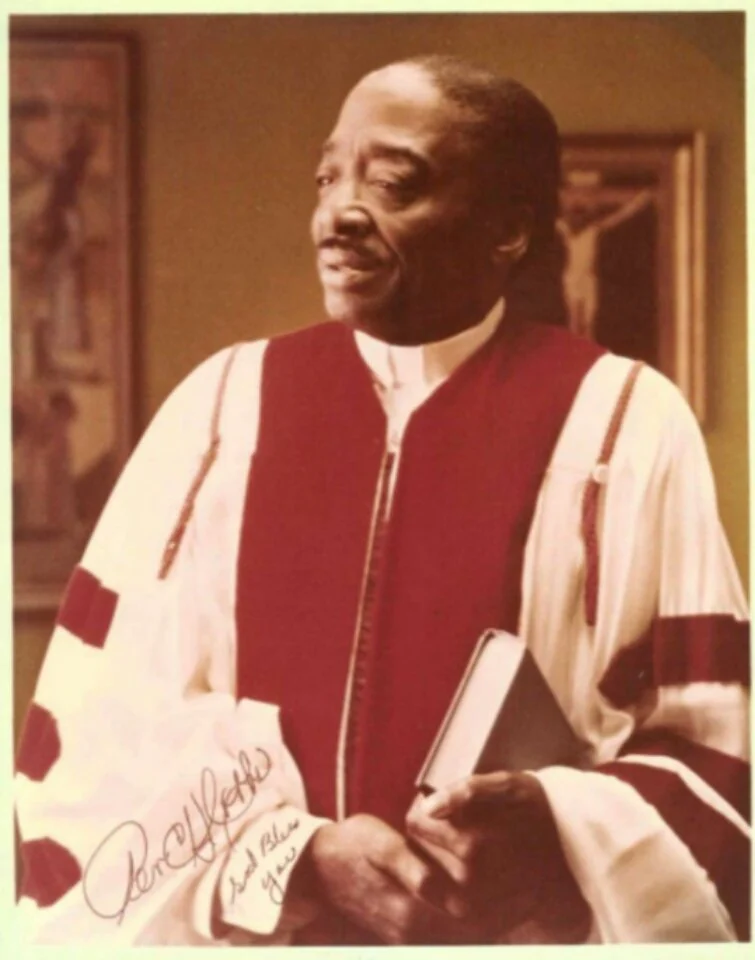
Clarence Henry Cobbs was a Black American clergyman and broadcaster considered to be one of the first (known) Black gay church leaders in U.S history. Influenced by hymnwriter Lucie Campbell and spiritual medium “Mother” Della Hedgepath, Cobbs founded the First Church of Deliverance in 1929, which openly welcomed Black gay churchgoers.
Nicknamed “Preacher”, Charles was known for his fashion, informal manners, and stirring performances with the church’s 200-member choir. In 1953, the church became the first Black church in the U.S to broadcast its services through WLS-TV for 12 weeks.
While Cobbs never publicly disclosed his sexuality and didn’t hide his relationship with his secretary, R. Edward Bolden, he filed a defamation suit against the Chicago Defender when it claimed Cobbs could be questioned by the “state's attorney's police concerning widespread rumors of a scandalous nature.”
Cobbs passed away in his home in Chicago on June 28th, 1979. Cobbs' hour-long radio broadcasts pioneered a format which was followed by many subsequent religious programs.
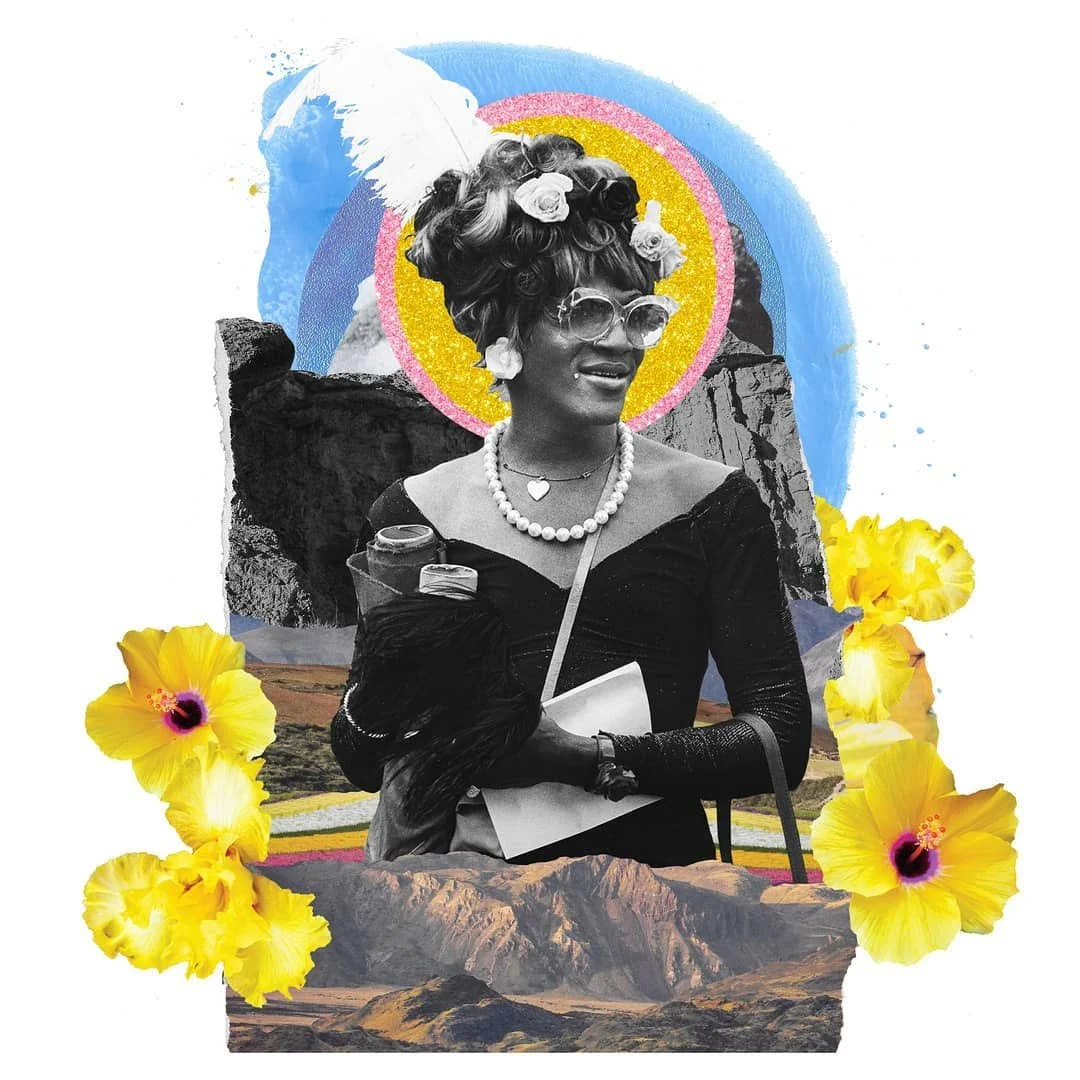
Marsha P. Johnson (1945-1992)
Born on August 24th, 1945 in New Jersey to Malcolm Michaels Sr. and Alberta Claiborne, Marsha moved to New York City in a time of LGBTQ+ persecuation and violence. She described herself as a gay person, a transvestite, and a drag queen. Marsha went by “BLACK Marsha” before settling on Marsha P. Johnson. The “P” stood for “Pay It No Mind,” which is what Marsha would say in response to questions about her gender.
Johnson did waitressing, drag shows, and sex work to survive and later joined the frontlines of the 1969 Stonewall Uprising after it had started. She and Sylvia Rivera founded Street Transvestite Action Revolutionaries (STAR), “an organization dedicated to sheltering young transgender individuals who were shunned by their families.”
Her body was found in the Hudson River on July 6th, 1992, the worst year on record for anti-LGBTQ violence according to the New York Anti-Violence Project. Police reclassified her death from suicide to drowning, enraging the LGBTQ+ community for the lack of further investigation. Hundreds attended her funeral. Marsha P. Johnson is a pioneer of not just Black queer activism and movements but for queer activism in general, particularly for Black trans women and sex workers.
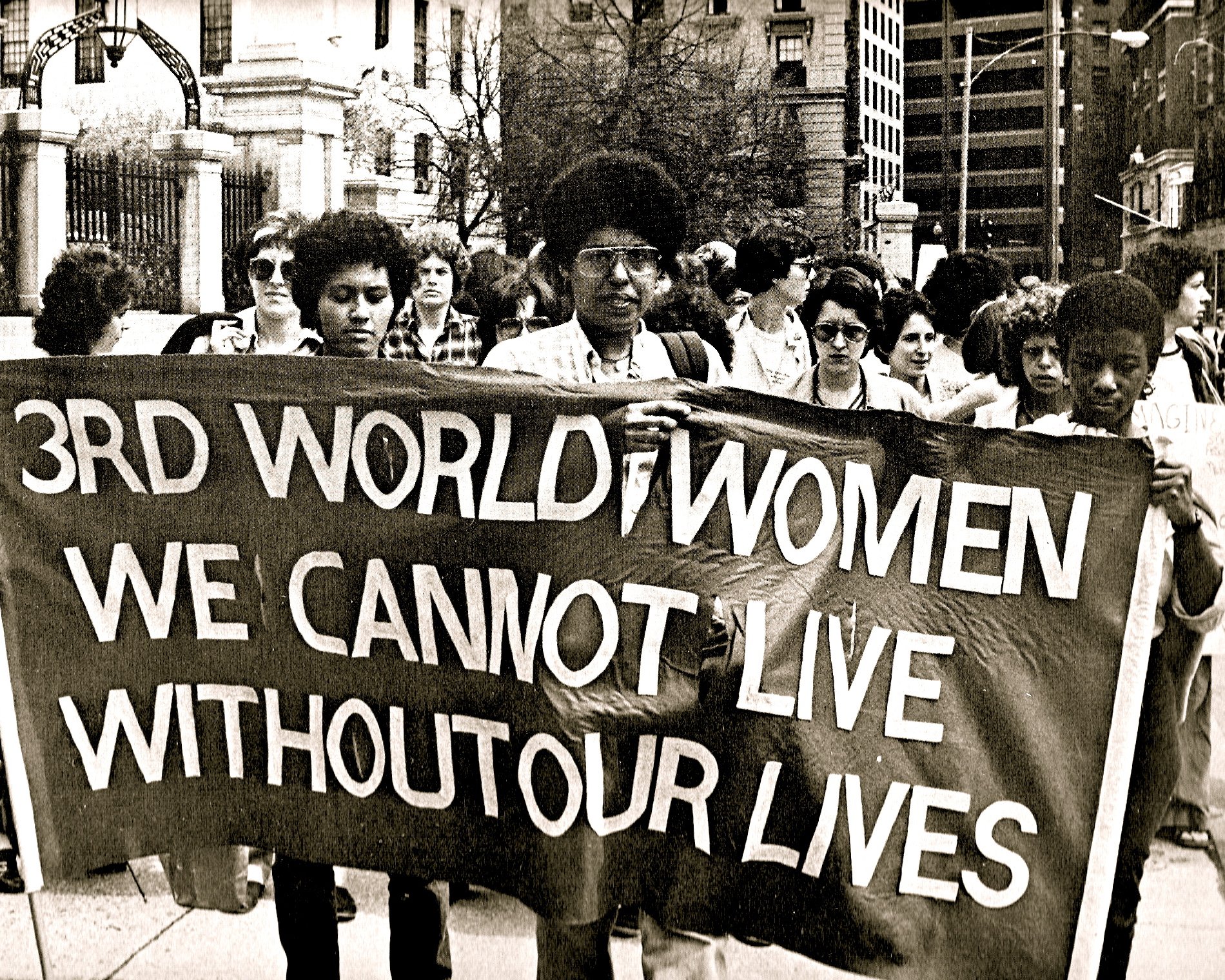
Combahee River Collective (1974-1980)
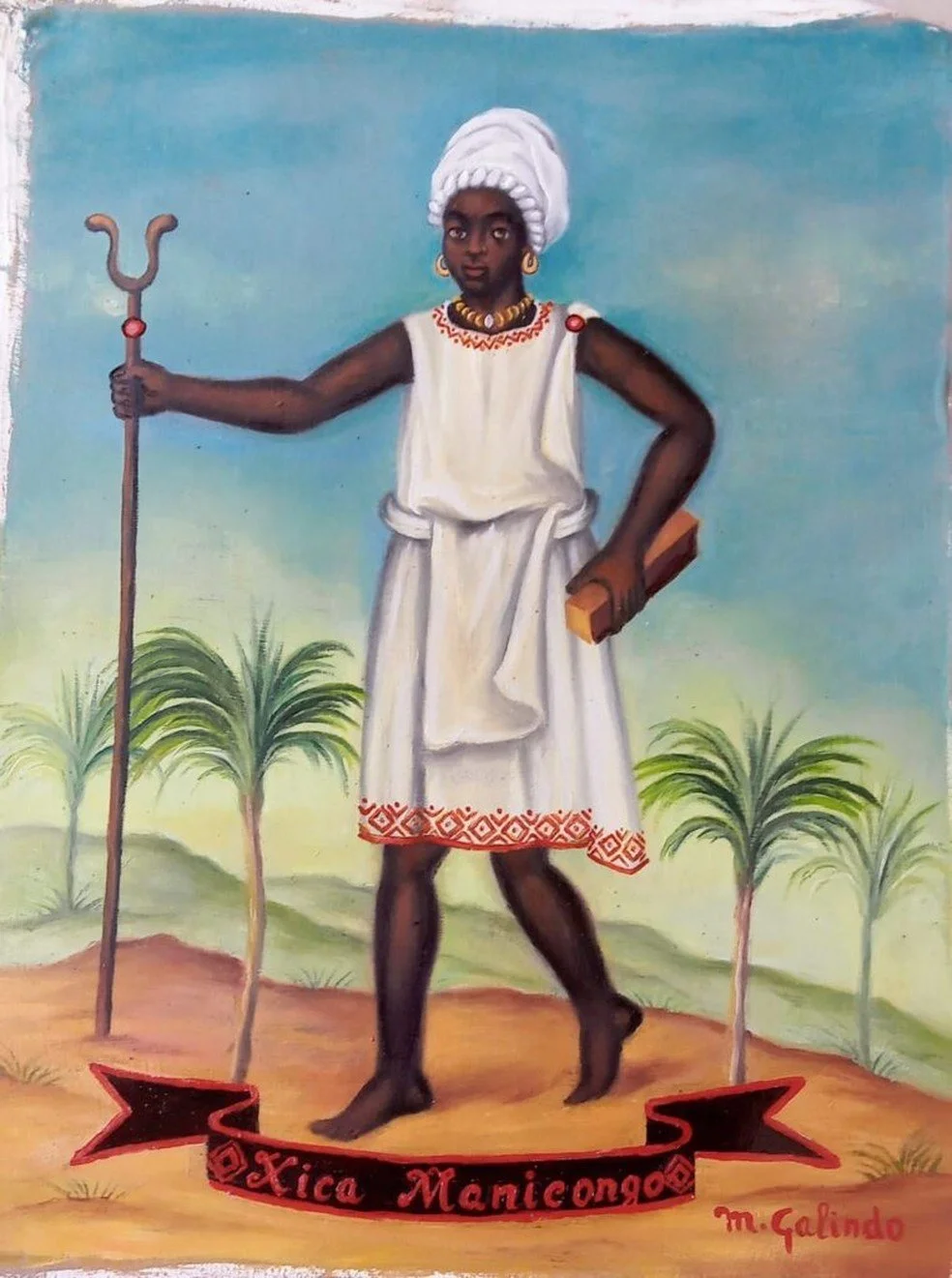
Xica Manicongo (1592-?)
Manicongo is a distorted way of saying Mwene Kongo, lord of the Congo; Xica was a way that gender dissidents, especially Black women, used to rescue her from a violent naming that the world of slavery had addressed to her: Francisco.
In 1592, an enlsaved African woman was trafficked from the Congo to Salvador and worked as a shoemaker. Following the Kimbanda practitioners of her home, Xica wore a fabric tied with a front knot and proudly described and carried herself as a woman around the city. She was known to have many lovers. Offended by identity, a Portuguese Christian accused her of sodomy and the Holy Inquisition of Court sentenced her to burn at the stake in public and to have her descendants dishonored for three generations.
Xica was rediscovered by trans activists in Brazil and acknowleged as the first “travesti” targeted by the Brazilian state. Her preferred name—Xica Manicongo—was posthumously given by Majorie Marchi (1974-2016), a Black travesti activist who chaired the Rio de Janeiro Travestis and Trans People’s Association [Associação de Travestis e Transexuais do Rio de Janeiro—ASTRA-Rio]. Coletivo Xica Manicongo is a militant collective of trans artists in Brazil named in Xica’s honor.
Named after a 1853 raid led by Harriet Tubman at the Combahee River in South Carolina where she freed some 750 enslaved people, the Combahee River Collective was a Black socialist feminist lesbian organization in Boston. In 1977, the CRC published the Combahee River Collective Statement in: Black Feminist Organizing in the Seventies and Eighties. The Statement is comprised of four sections:
Genesis: CRC’s origins in the material history of Black American women’s life-and-death struggles for survival and liberation, working class and Third World women’s roles in advancing feminist movements, disillusionment of and resistance against reactionary forces of patriarchy and racism in Black liberation movements and mainstream feminist movements respectively, and recognition of capitalism built on and succeeded by the economic exploitation of Black people.
What We Believe: CRC emphasized equality, the inherent value of Black girls & women, sisterhood (which included trans women) while rejecting capitalism and imperialism. They recognized the multiple forms of racial, gender, and class domination that Black women experience through coining the term “identity politics.” The CRC, (while not specifically naming her) drew from Black communist activist Claudia Jones’ “triple oppression” analysis, which argued that Black women couldn’t explain their experiences through just one of these systems, but rather that they all intersected with each other.
Problems in Organizing Black Feminists: The CRC clarified the contradictions of the social justice movements of the time, seeing how misogyny went unaddressed in Black organizations but actively practiced, while racism and class privilege ran rampant in white middle-class led feminist movements. They found that both fronts also held their share of homophobic and transphobic issues that often went unquestioned and unchallenged.
Black Feminist Projects and Issues: The CRC listed the various struggles and projects they practiced such as discussion, reading and writing retreats, fighting for reproductive justice, resisting forced sterilization, domestic & sexual violence, and medical racism, hosting workshops on Black feminism on college campuses, at women’s conferences, and most frequently for high school women’ [girls]. "The inclusions of our politics makes us concerned with any situation that impinges upon the lives of women, third world, and working people. With the acknowledgement that race, sex, and class are all factors in oppression, Black feminists can further continue understanding the verbal or nonverbal divide and try to bridge these divides to equalize the systems. We believe in collective process and a nonhierarchical distribution of power within our own group and in our vision of a revolutionary society. "
Black LGBTQIA+ Community Today
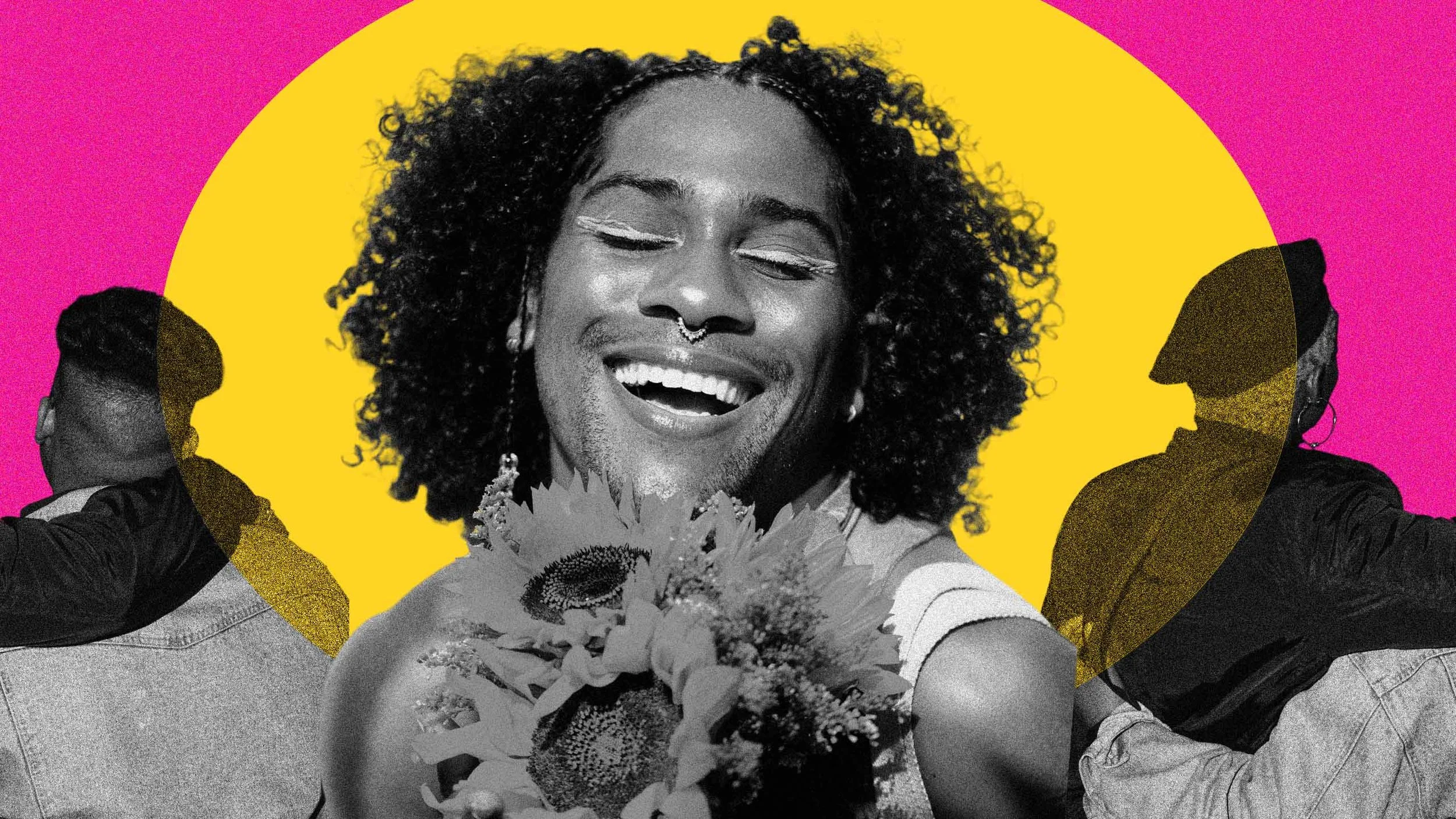
Credit: Getty Images; Elham Numan/Xtra
Thanks to the past and present movements and organizations, social media, and general media representation, Black queer culture is more well known overall compared to how it was at the turn of the milennium or even a decade ago. We’ve fortunately seen a rise of Black youth being more open of being part of the LGBTQIA+ community.
There are far more open conversations about gender and sexuality within the Black community today than ever before, though obviously some are in bad faith or end up pandering to patriarchy and misogyny like the so called “gender wars” and “manosphere”.
One can find more openly queer/trans Black influencers, actors, and musicians today than in the past. Lil Nas X, Megan Thee Stallion, Marquise Vilson, Doechii, TS Madison, Hope Giselle, Diamond Stylz, Kat Blaque, Janelle Monae, Durand Benarr, Frank Ocean, and Queen Latifah are just some of the icons that Black queer folks can look up to as trailblazers.
Additionally, while queerphobia is still present among the Black diaspora, (just as it is in nonBlack communities) there is growing acceptance for Black LGBTQ+ folks. Black cis parents are stepping up to protect their trans children and assure that they have supportive networks to lean on in the face of racial and transphobic discrimination.
While there’s more visibility for the Black LGBTQIA+ community now, we know that unfortunately comes with increased risks to the present systemic violence the community has always faced.
Contradictions of Representation Politics
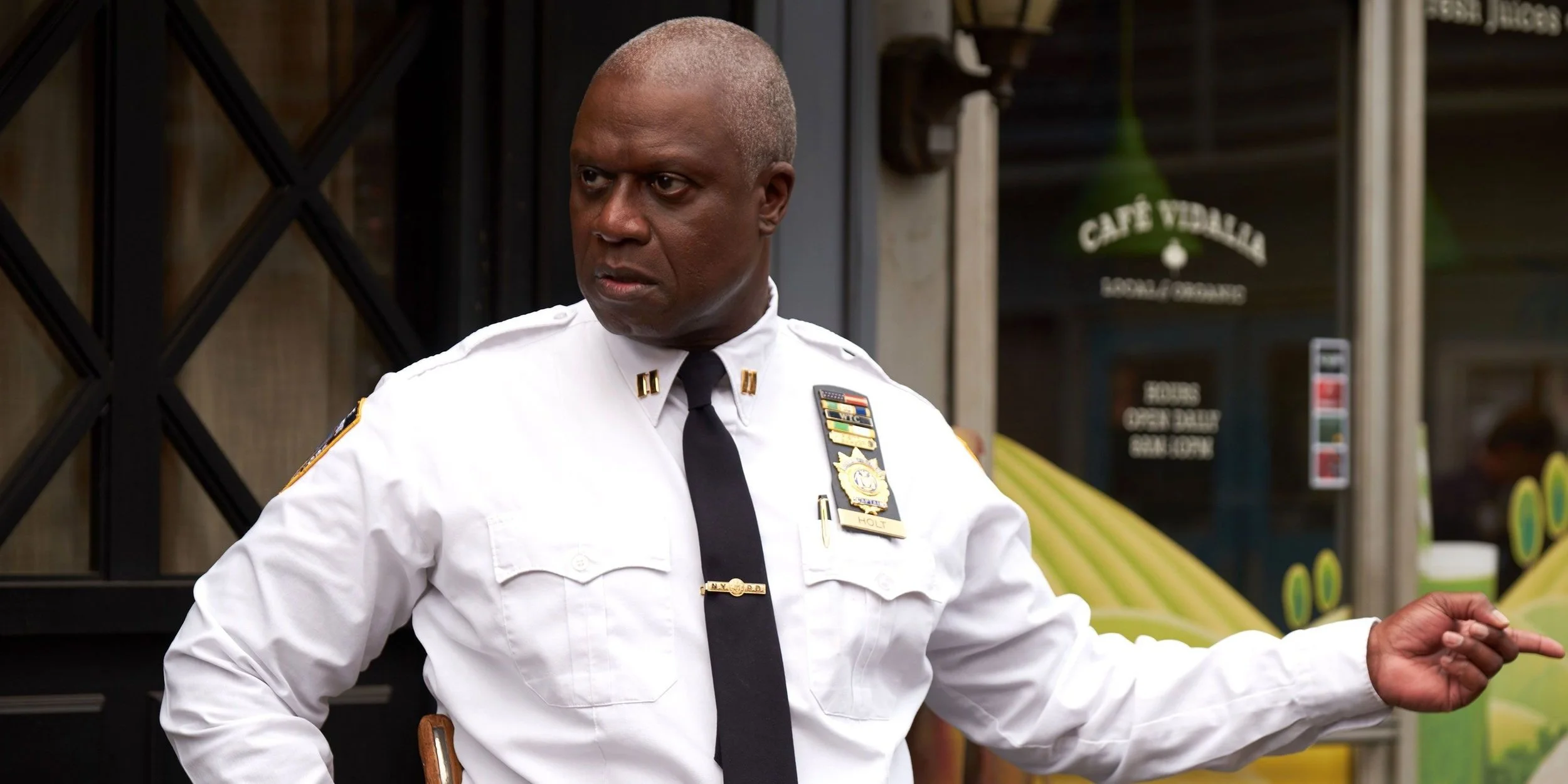
Captain Holt from Brooklyn 99, a gay Black cop
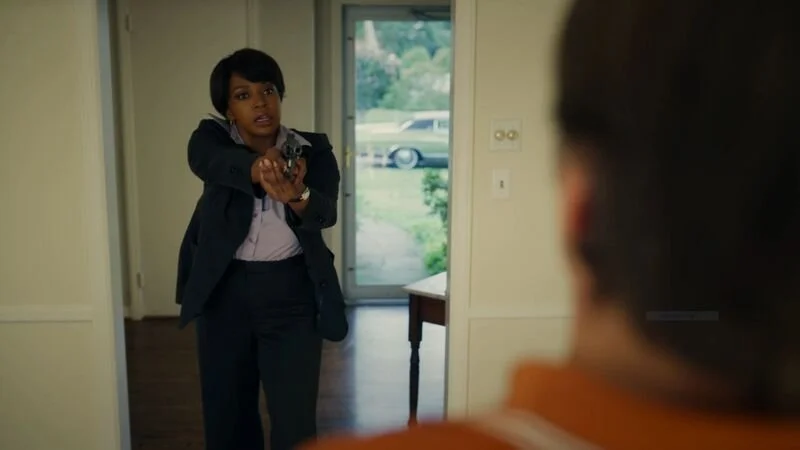
Millie Morris, a Black woman FBI agent from Hunters

The 19 Black CEOs that have lead Fortune 500
companies since 1955
While there’s nothing wrong with wanting more representation, it’s important to know that representation doesn’t exist in a vacuum.
We’re taught to condemn the Trump admin’s banning of trans people from the US military without asking: why do we consent to including a marginalized group into an institution that invades other countries and murders Black and Brown people in those countries? How will more trans war criminals save Black queer people? How will more Black queer cops and FBI agents save us? How will more Black CEOs serve the majority of Black people when the racial wealth gap and intraracial income inequality within the Black community continues to grow?
As the Trump regime openly plays out the U.S’ homegrown fascism, liberal leaders weaponize that violence to seduce more marginalized groups into the same capitalist and imperialist structures that make the fascism possible from the start. The human desire for representation is valid, but it doesn’t exist in a vacuum. We see (or don’t see) ourselves in institutions that are celebrated in the dominant culture of a country that Black folks were forced to build, so we feel inclined to identify with them. By the same extentsion, we identify with the US settler project. Some of us validly speak up and resist state violence against Black queer/trans bodies and yet may feel the US is justified in invading and bombing other countries. That’s a conversation that has to be tackled and dealt with.
As Black queer people in the imperial core, we have a unique role of resisting the empire from the inside. That includes continuing to sustain Black queer lives under both state violence, internal community abuse, and class warfare, and connecting those struggles to US imperialist domination on our African and Black Caribbean queer siblings abroad.
Black queer culture is rich and beautiful, and because of that we need to be aware of how it’s co-opted by nonBlack communities and by oppressive insitutions to manufacture consent for white supremacist, patriarchal, capitalist, and imperialist violence. Just as our ancestors did, we as Black queer people organize to develop alternative systems that provide housing, food sovereignty, communal land ownership, clean water, healthcare, and safety for everyone rather than an elite few.

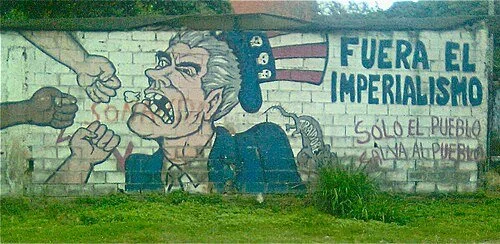
Anti-imperialist graffiti on a wall in a neighborhood in Carcas, Venezeula. Photo by Erik Cleves Kristensen
About
At the same time, Black radical projects aren’t immune to reproducing violent systems. Patriarchy is still rampant and unchallenged in many Black radical spaces, where the most visible faces and voices often belong to cishet Black men (and cishet Black folks in general) who haven’t interrogated their own complicity in patriarchy and gender violence. This very often turns off Black queer and trans folks from joining these groups, as those patriarchal dynamics don’t look very different from the conservative abuse and bigotry they’ve experienced outside of those groups
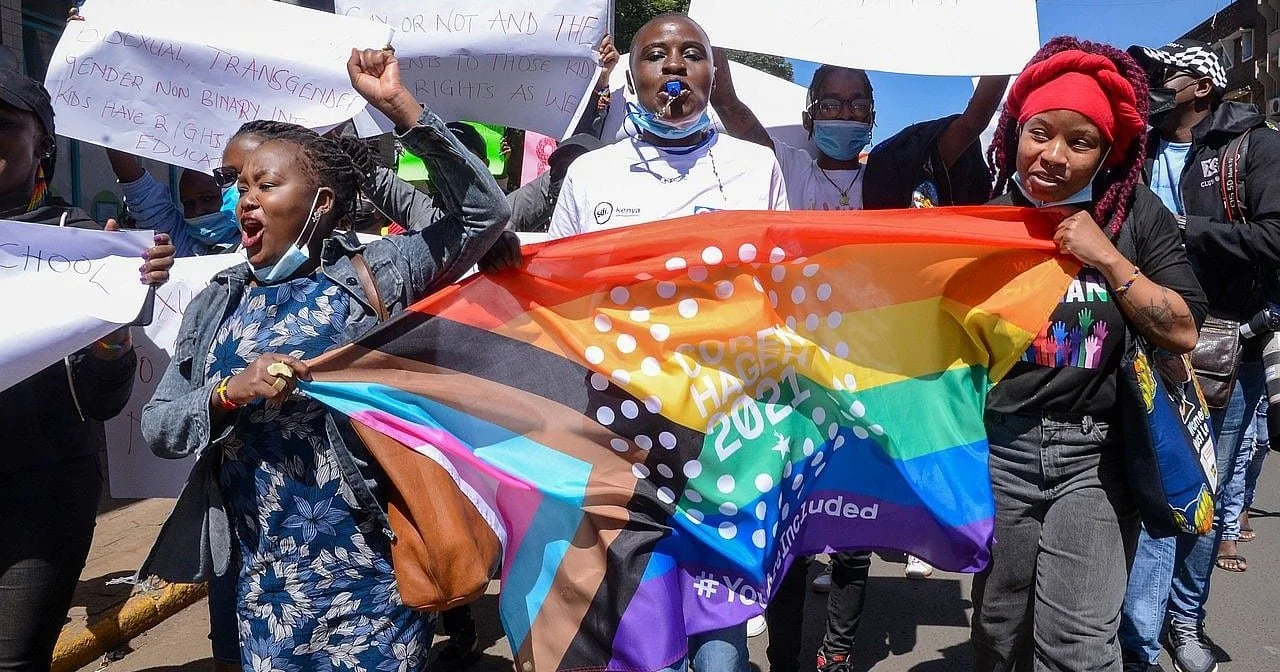
Black Queer Resources & Organizations
Fargo, North Dakota
Black Trans Women and Black Trans Femmes: Leading & Living Fiercely
Black Queer Studies: A Critical Anthology by E. Patrick Johnson and Mae. G. Henderson (Editors)
Elsewhere & Otherwise: Imagination & Worldmaking in the Black Queer Studies Collection
The Historical Significance of Black Queer Films By Emerald Rutledge
Western Universalism and African Homosexualties by Nicholas Kahn-Fogel
Queer Voices in Hip Hop: Cultures, Communities, and Contemporary Performance by Lauron J. Kehrer
No One Was Helping Black Transgender Youth. So These Parents Stepped In.